
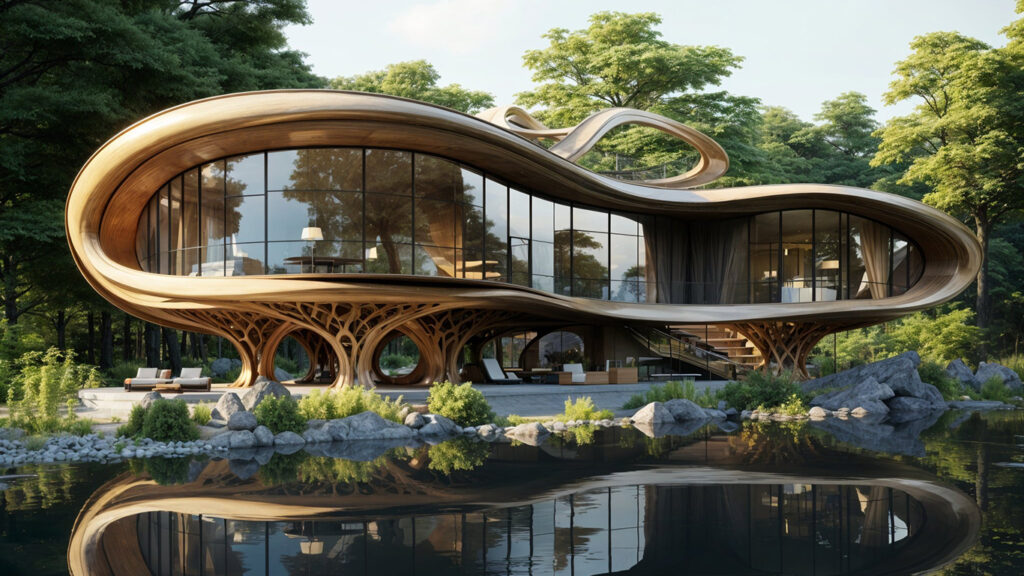
Modern building design is no longer just about creating structures that look impressive from the outside. Today, the true value of design lies in balancing aesthetic appeal with everyday usability. A building must be visually engaging, but it must also support the activities, comfort, and movement of the people who use it. This balance between beauty and practicality creates environments that are meaningful, efficient, and long-lasting.
Aesthetics shape the first impression of a space. The lines of the structure, the choice of materials, the natural light, and the color palette all influence how a building feels. A well-designed aesthetic can inspire creativity in workplaces, create calm in homes, or convey professionalism in business environments. It gives a building identity and emotional connection.
A well-designed building balances beauty and purpose, creating spaces that look inviting and work smoothly. When aesthetics meet functionality, environments become comfortable, efficient, inspiring, and truly meaningful for everyday living.
Functionality, on the other hand, ensures that the building works. The layout should feel natural to navigate. Systems such as lighting, ventilation, and circulation should support daily activities without effort. Storage, accessibility, and long-term maintenance must be considered from the beginning to prevent inconvenience later. When functionality is prioritized, the space becomes easy to live in, work in, and maintain.
Why functionality matters
Functionality ensures that a building supports the daily activities of the people who use it. When spaces are planned well, movement feels natural, systems work efficiently, and the environment remains comfortable and practical over time.
- Functional design ensures spaces are easy to move through, reducing congestion and improving daily usability.
- Rooms, work zones, and pathways are arranged in ways that support natural behavior and daily routines.
- Every square foot is utilized purposefully, preventing wasted space and improving the overall efficiency of the building.
- When environments are designed for easy access and smooth workflow, users work faster and more comfortably.
- Functionally planned spaces maximize fresh air and daylight, supporting health, energy savings, and well-being.
Functionality is the foundation of good design. When the layout, lighting, ventilation, accessibility, and circulation are thoughtfully planned, the building becomes comfortable, safe, and efficient to use. Without functionality, even the most beautiful design feels inconvenient and difficult to maintain.
